NY Farm Bureau Praises Agriculture Gains in State Budget
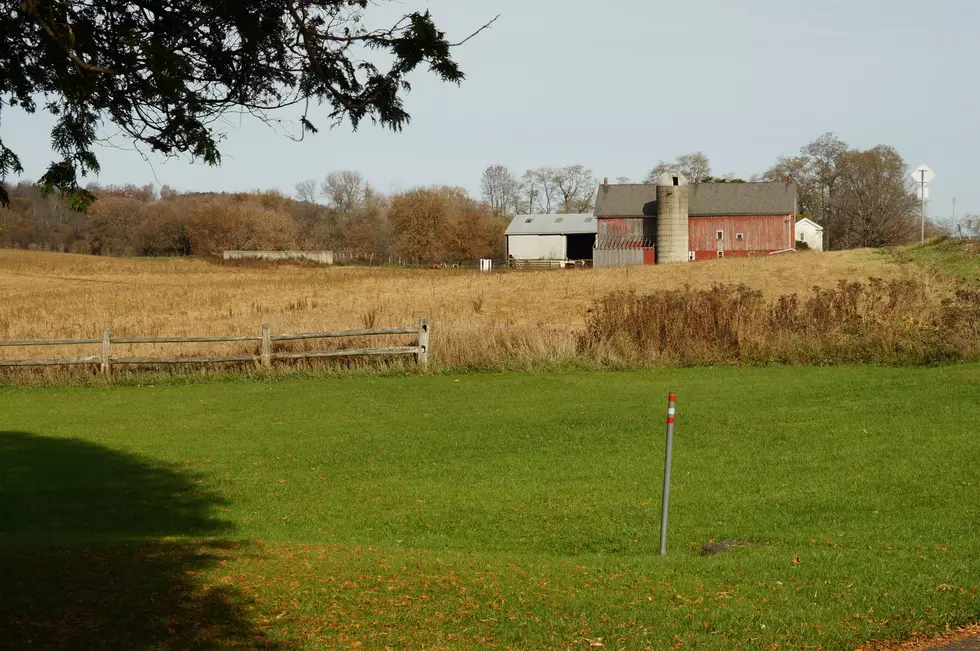
New York Farm Bureau leaders say the newly approved state budget delivers several important wins for agriculture, including tax credits, research funding and changes to state climate policies that farmers had pushed for during negotiations.
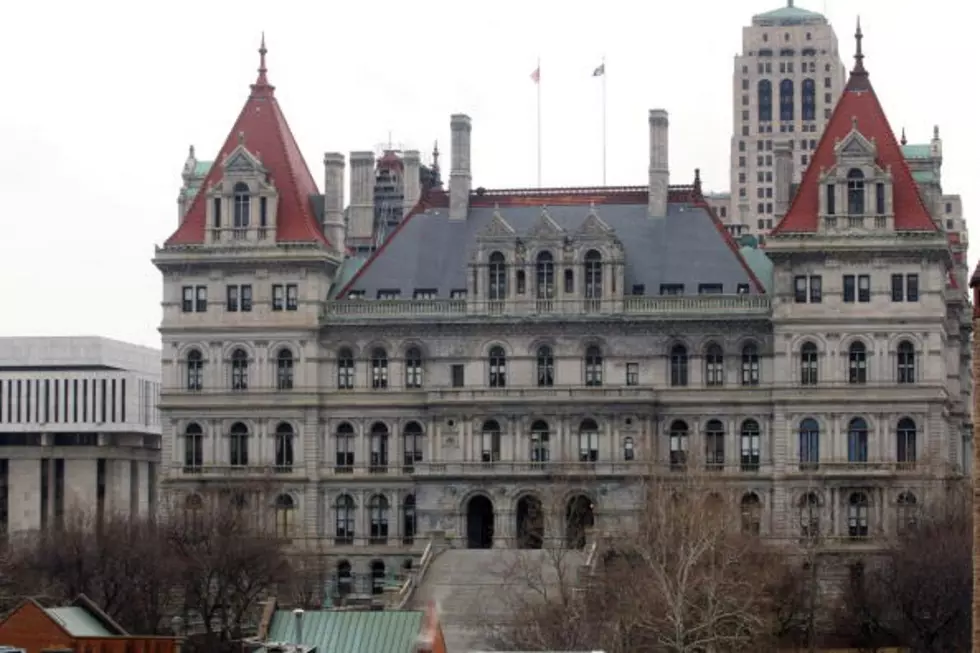
Just before midnight Wednesday, the State Legislature approved the $268 billion spending plan, ending an eight week budget stalemate in Albany. Governor Kathy Hochul signed the budget into law Thursday afternoon, making it the latest enacted state budget in 16 years.
Farm Bureau officials pointed to the extension of the state’s 20 percent Refundable Investment Tax Credit as one of the biggest victories for farmers. The credit, now extended through January 1, 2033, applies to eligible farmers who earn at least two thirds of their income from farming and invest in buildings, machinery and equipment.
The budget also includes changes to New York’s Climate Leadership and Community Protection Act, known as the CLCPA. The approved plan pushes certain greenhouse gas reduction requirements to 2030 and changes how methane emissions are measured by shifting to a 100 year global warming potential standard, bringing New York in line with federal and international guidelines.
Another provision increases the tax credit available to farmers who donate food to food pantries. Starting in 2026, the credit rises from 25 percent to 50 percent of the fair market value of donated food, while the annual cap increases from $5,000 to $20,000.
State lawmakers also approved $30 million in funding for farmers impacted by federal tariffs, along with continued support for agricultural research, commodity promotion and environmental programs. That includes funding connected to research through Cornell University’s College of Agriculture and Life Sciences.
“I’d consider the 2026 budget to be a fairly strong one for agriculture,” said New York Farm Bureau President David Fisher. “We advocated strongly for the issues that matter to our members, especially the extension of the Refundable Investment Tax credit and changes to the CLCPA.”
Fisher said maintaining support for agricultural research was another key priority for the organization.
“We’re particularly glad to see funding allocated for agricultural research,” Fisher said. “Institutions like Cornell CALS are critical to the future of agriculture in New York State, and the research they conduct is essential to the health of our crops and animals.”
The broader budget package also includes expanded childcare funding, education aid, utility relief payments, pension changes affecting more than 830,000 public employees, updates to the state environmental review process known as SEQRA and a five year delay of New York’s electric school bus mandate.
Not everyone supported the final agreement.
Utica area Assemblywoman Marianne Buttenschon expressed concerns over several policy items included in the budget, particularly changes tied to auto insurance reform.
“I asked if changes to auto insurance payouts was going to mean lower premiums for the public, and nobody could give me an answer,” Buttenschon said. “So I’m very suspicious.”
State Senator Joe Griffo also criticized the late budget and overall spending levels, saying the final plan failed to adequately address affordability and public safety concerns.
“This budget, passed eight weeks late, fails to address New York's critical issues of affordability, public safety, and economic concerns,” Griffo said.
Lawmakers are expected to remain in Albany through at least June 4 as the legislative session enters its final weeks.
The Worst Movies of 2026 So Far
The Top 100 Movies of the 90s
Unhappiest Teens in America
Gallery Credit: Shannon Buccola
More From WIBX 950