
Documentary Reveals Dark Nazi History of Catskill Game Farm
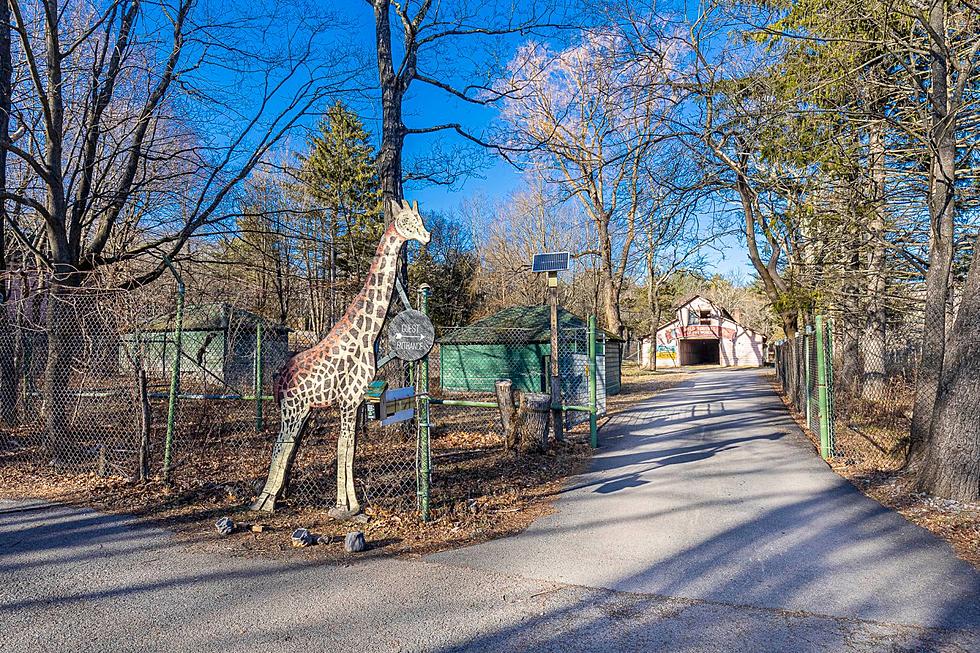
Growing up in upstate New York, while Disney was out of reach for my middle class family, a trip to the Catskill Game Farm was within my parent's family vacation budget.
We weren't alone.
Families fed animals by hand, posed for photos, and spent summer afternoons at what became one of the region's most famous tourist attractions.
Now, a new documentary at the Tribeca Film Festival is taking a closer look at a much darker part of the Game Farm's history.
According to a report by the Albany Times Union, the film American Zoo premiered earlier this month at the Tribeca Film Festival and examines previously uncovered links between the Catskill Game Farm and a Nazi-era animal breeding program designed to bring extinct species back to life.
British filmmaker Tim Travers Hawkins told the Times Union he stumbled onto the story almost by accident while reviewing old footage connected to the former zoo.
"When I was first looking at the film, I absolutely had no idea it was going to lead me to a Nazi breeding program," he said.
Read More: NYS and FIFA are Warning New Yorkers to Beware of Fake Event Scams
The Catskill Game Farm opened in 1933 and grew into one of the best-known attractions in New York's Catskills. At its peak, the facility housed roughly 2,000 animals representing about 150 species.
But the documentary focuses on a relationship that began in 1959 when German scientist Heinz Heck Jr. joined the Game Farm staff. According to the Times Union, Heck's father, Lutz Heck, had close ties to Hermann Göring, one of Adolf Hitler's top lieutenants during World War II.
Hawkins' research uncovered records indicating Heinz Heck conducted breeding experiments at the Game Farm in an effort to recreate extinct animals, including the auroch, a wild cattle species that disappeared centuries ago. The filmmaker said those experiments reportedly resulted in genetic abnormalities among some animals.
The documentary also raises questions about how some animals were acquired and treated during an era when standards were far different than they are today.
Still, Hawkins said the film is not intended to be a takedown of the Game Farm. Instead, it explores the complicated legacy of a place that generated decades of happy memories while also carrying a history many visitors never knew existed.
"Lindemann was an entrepreneur," Hawkins told the newspaper. "He was clearly a man who loved animals, but I think some would question the way he loved animals, especially today."
Current Old Game Farm General Manager Shawn Johnson, who attended the Tribeca premiere, told the Times Union the documentary presents a balanced look at the property's past and present.
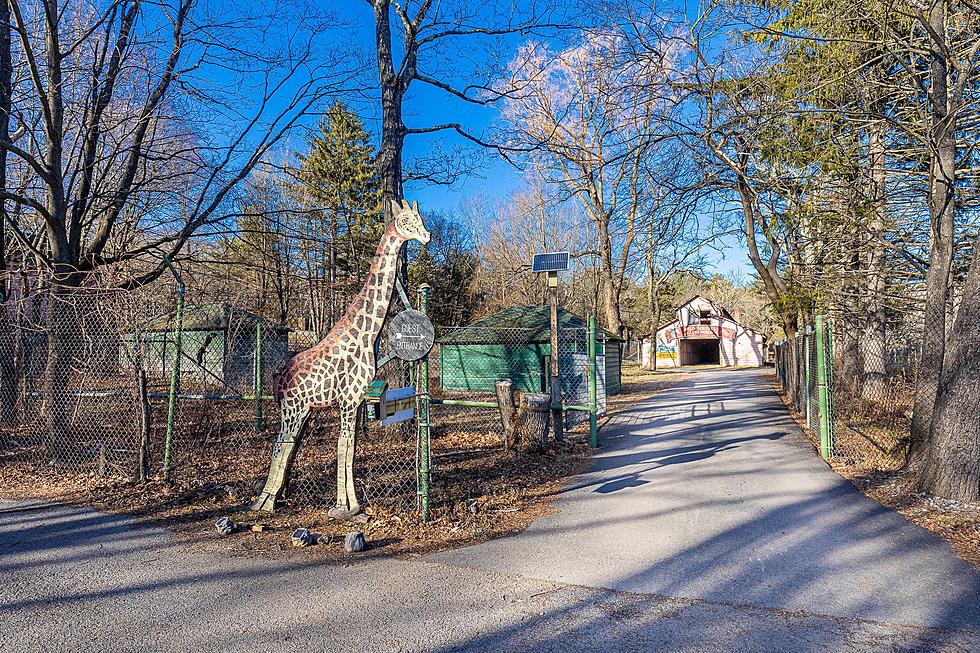
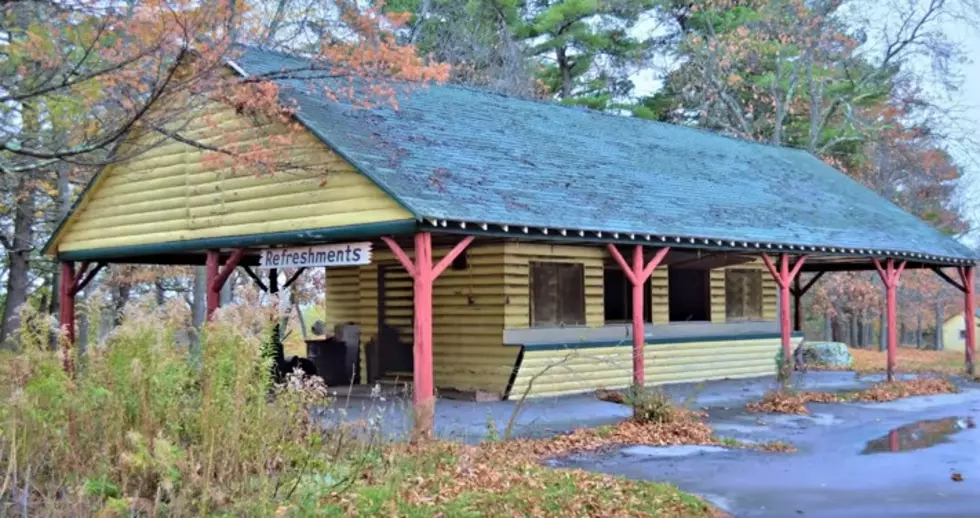
The former Game Farm property today operates as a lodging and event destination. Johnson said he hopes the film doesn't overshadow the positive memories generations of families still associate with the site.
For more on the documentary and its findings, read the full report by Times Union staff writers Sarah Trafton and Rick Marshall at TimesUnion.com.
Staying Cool in Summer Heat
Gallery Credit: Paul Habstritt
MLB Most Loved Mascots Ranked: Best Baseball Icons
Gallery Credit: Michaela Johnson
Movies With 100 Percent on Rotten Tomatoes
More From WIBX 950